ERC-4337 · Avalanche C-Chain
EntryPoint Intelligence
Learn what ERC-4337 EntryPoints do, then read real Avalanche C-Chain activity with the evidence behind every claim.
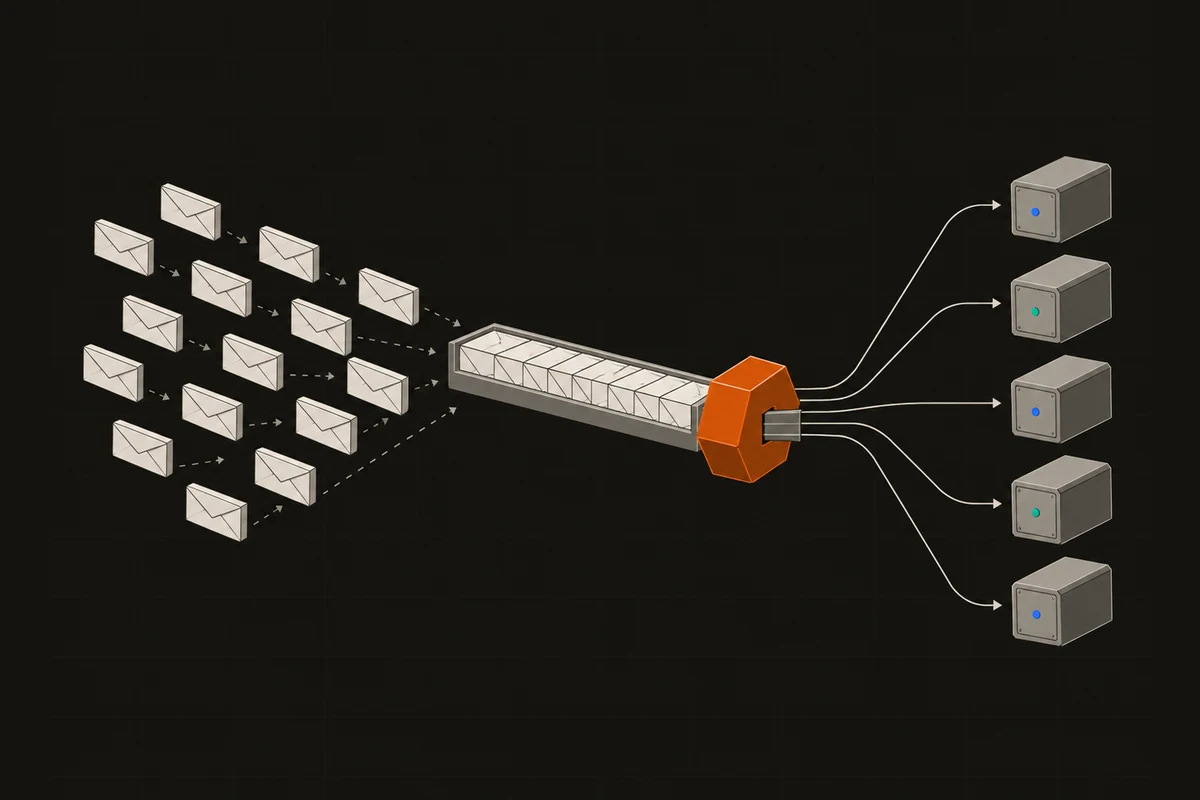
An EntryPoint is a single shared smart contract (one per ERC-4337 version) that lets smart-contract
wallets act like ordinary accounts without any change to the chain itself. Users sign UserOperations instead of
transactions, and a bundler packs them into one normal transaction that calls the EntryPoint’s
handleOps. The EntryPoint checks that each operation is authorised and paid for, runs it through the user’s
smart account, and settles the gas, which a third-party paymaster may cover.
The cast
One operation passes through these parties, in this order:
- SignerThe key (an EOA key, passkey or multisig owners) that authorises an operation. A key, never a person.
- BundlerThe EOA that signs the outer transaction and pays native gas up front.
- EntryPointThe shared singleton contract that validates, executes and settles every operation.
- Smart account (sender)The contract wallet that holds assets and makes the calls; what apps call “the user’s address”.
- Target appThe contracts the account actually calls: tokens, bridges, swaps, games…
Around the EntryPoint
- Paymaster
- An optional contract whose EntryPoint deposit pays an operation’s gas (sponsorship).
- Factory
- Deploys the smart account on its first operation at a precomputed address.
- Beneficiary
- Where the EntryPoint sends the gas it collected; usually the bundler itself.
How one handleOps call works, step by step →
Avalanche C-Chain at a glance
On the archive’s last day, 2026-10-25: 1,092 outer transactions carried 1,226 UserOperations for 459 distinct accounts (1.2692 AVAX in receipt fees).
Monthly UserOperations on C-Chain, all EntryPoint versions
- v0.6
- v0.7
- v0.8
- v0.9
Show the data as a table
| Month | v0.6 | v0.7 | v0.8 | v0.9 | Total |
|---|---|---|---|---|---|
| 2023-04 | 102 | 0 | 0 | 0 | 102 |
| 2023-05 | 189 | 0 | 0 | 0 | 189 |
| 2023-06 | 275 | 0 | 0 | 0 | 275 |
| 2023-07 | 353 | 0 | 0 | 0 | 353 |
| 2023-08 | 53,643 | 0 | 0 | 0 | 53,643 |
| 2023-09 | 157,637 | 0 | 0 | 0 | 157,637 |
| 2023-10 | 97,148 | 0 | 0 | 0 | 97,148 |
| 2023-11 | 62,127 | 0 | 0 | 0 | 62,127 |
| 2023-12 | 33,307 | 0 | 0 | 0 | 33,307 |
| 2024-01 | 44,897 | 0 | 0 | 0 | 44,897 |
| 2024-02 | 37,454 | 0 | 0 | 0 | 37,454 |
| 2024-03 | 36,028 | 0 | 0 | 0 | 36,028 |
| 2024-04 | 29,918 | 5 | 0 | 0 | 29,923 |
| 2024-05 | 30,566 | 12 | 0 | 0 | 30,578 |
| 2024-06 | 26,327 | 57 | 0 | 0 | 26,384 |
| 2024-07 | 16,912 | 147 | 0 | 0 | 17,059 |
| 2024-08 | 13,188 | 3,974 | 0 | 0 | 17,162 |
| 2024-09 | 17,919 | 228 | 0 | 0 | 18,147 |
| 2024-10 | 15,411 | 315 | 0 | 0 | 15,726 |
| 2024-11 | 11,799 | 314 | 0 | 0 | 12,113 |
| 2024-12 | 16,584 | 15,356 | 0 | 0 | 31,940 |
| 2025-01 | 17,291 | 9,431 | 0 | 0 | 26,722 |
| 2025-02 | 55,709 | 8,366 | 0 | 0 | 64,075 |
| 2025-03 | 65,152 | 1,905 | 0 | 0 | 67,057 |
| 2025-04 | 50,964 | 4,618 | 12 | 0 | 55,594 |
| 2025-05 | 46,129 | 36,030 | 7 | 0 | 82,166 |
| 2025-06 | 58,226 | 71,657 | 0 | 0 | 129,883 |
| 2025-07 | 63,631 | 8,127 | 0 | 0 | 71,758 |
| 2025-08 | 61,371 | 12,237 | 0 | 0 | 73,608 |
| 2025-09 | 53,281 | 7,907 | 4 | 0 | 61,192 |
| 2025-10 | 44,956 | 103,643 | 238 | 0 | 148,837 |
| 2025-11 | 22,250 | 296,740 | 62 | 0 | 319,052 |
| 2025-12 | 30,027 | 145,166 | 10 | 0 | 175,203 |
| 2026-01 | 73,389 | 500,726 | 21 | 0 | 574,136 |
| 2026-02 | 28,316 | 966,453 | 6 | 0 | 994,775 |
| 2026-03 | 46,293 | 1,040,423 | 8 | 0 | 1,086,724 |
| 2026-04 | 62,735 | 1,065,029 | 38 | 2 | 1,127,804 |
| 2026-05 | 31,617 | 487,832 | 19 | 694 | 520,162 |
| 2026-06 | 29,819 | 8,966 | 2 | 1,823 | 40,610 |
| 2026-07 | 30,819 | 10,233 | 1 | 1,817 | 42,870 |
| 2026-08 | 33,982 | 12,653 | 440 | 1,808 | 48,883 |
| 2026-09 | 28,735 | 24,998 | 52 | 1,707 | 55,492 |
| 2026-10 | 16,746 | 24,271 | 7 | 1,485 | 42,509 |
What happened: the 2026 surge was Pixelmon players logging in daily, until it switched off in May →
More charts: the 2026 v0.7 burst, concentration, failures →
Explore
Learn
Data
Evidence
How to read this site
Every named address carries a small marker for the evidence level of its label, and facts on the example pages carry an evidence grade for how the value was obtained. A name is never a real-world identity, and a signer is only a key.
Evidence levels (how strong an address label is)
- evidence level: primary source The vendor or protocol itself publishes this exact address
- evidence level: self-description What the contract says about itself via a getter; contracts can claim any name
- evidence level: cluster Shares a key, getter or bytecode with labelled addresses: same machinery, not proof of the same operator
- evidence level: hint Ranking, explorer tag, metadata or third-party label: a clue, never proof
- evidence level: unlabelled No registry label. In running text, an address without a marker has no label.
Evidence grades (how a value was obtained), strongest first
grade: observed grade: decoded grade: recomputed grade: recovered grade: contract read grade: inferred grade: unknown
Weaker grades are set in italics. Hover or focus a marker for its definition; full definitions.